Source chrome car bumper trim for SUV, Pickup, and Universal Models
Compare 30 listings for chrome car bumper trim designed for SUV, pickup, and universal car applications. Buyers can evaluate options made from PVC, ABS, or steel with features like self-adhesive installation and dustproof protection.
Key considerations
Products List




Comprehensive Sourcing Guide
Strategic Sourcing Guide for Chrome Car Bumper Trim
Understanding Product Categories and Material Variations
When sourcing chrome car bumper trim, buyers must first navigate the diverse landscape of materials and product definitions available in the global market. The core keyword often encompasses a range of items, from simple decorative adhesive strips to robust structural bumper guards. Based on current market observations, the material composition is a primary differentiator. The supply chain offers products primarily constructed from PVC, ABS, and Stainless Steel. PVC-based options are frequently marketed as durable, self-adhesive tape solutions designed for chrome strip applications, offering a flexible and cost-effective method for vehicle customization. These items often come in rolls and are available in color variations such as black, silver, gold, red, and combinations like black and silver.
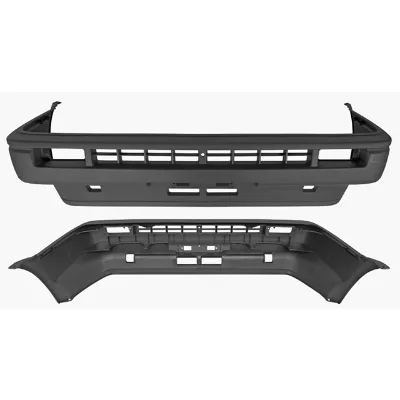
In contrast, more structural applications involve ABS plastic or 201 Stainless Steel. ABS components are typically highlighted for their ease of installation and are often packaged in OPP bags, serving as car stickers or exterior decoration pieces. Stainless steel variants, specifically noted as 201 grade, are engineered for higher durability and are often positioned as rear or front bumper protectors. These metal-based trims may undergo polishing technologies to achieve a chrome-like finish. The product type is equally critical; listings distinguish between "Car Molding Strip," "Car Sticker," and "Auto Parts Rear Bumper." While the former two focus on aesthetic enhancement and surface protection, the latter implies a more substantial component intended for SUVs, pickups, and universal car models. Buyers must verify whether the specific SKU they are evaluating is a decorative overlay or a structural replacement part, as this dictates the installation complexity and the required vehicle compatibility.
Technical Specifications and Dimensional Standards
Precision in technical specifications is paramount when ordering chrome car bumper trim, as fitment issues can lead to significant returns and installation failures. The market data indicates a wide variance in standard dimensions. For instance, specific molding strips are listed with a size of 3 meters in length by 6.5 centimeters (approximately 2.6 inches) in width. This dimension is typical for universal chrome strips designed to wrap around various vehicle contours. However, other product categories, such as bumper guards or specific molding pieces, may adhere to different standard packaging dimensions, such as 17 centimeters by 25 centimeters by 18 centimeters, which likely refers to the dimensions of the packaged unit rather than the trim itself.
Length standards also vary significantly across suppliers. Some listings specify a standard length of 15 meters for roll-based products, while others may offer custom lengths. The "Shape" attribute is frequently listed as "Customize," suggesting that many manufacturers can produce trims to match specific vehicle profiles, provided the buyer supplies the necessary templates or measurements. The "Position" attribute further refines the specification, distinguishing between products intended for the "Front Bumper," "Rear Bumper," or general "Car Exterior Decoration." Buyers should verify if the product is designed for a specific car model or if it is a "Universal" fitment suitable for a broad range of makes. Additionally, the "Condition" is consistently noted as "New," but the physical integrity of the product upon arrival must be confirmed through quality control checks, especially for items made from steel or ABS that may be prone to warping or surface scratches during transit.
Compliance, Certification, and Quality Verification
While the provided data does not explicitly list specific third-party certifications (such as ISO or CE) for these products, buyers must treat compliance as a critical evaluation metric. The supply chain indicates that products are subject to rigorous internal quality checks, with some listings explicitly stating "100% Tested" and offering a "12 Months" warranty. This suggests a baseline expectation of quality assurance from the manufacturer. For automotive exterior components, the absence of a visible certification label does not preclude compliance, but it necessitates a proactive verification process by the buyer.
Buyers should request documentation regarding the material safety and environmental standards, particularly for PVC and ABS plastics, which are subject to varying regulations depending on the destination market. The "201 Stainless Steel" material mentioned in the data is a specific grade that requires verification against international steel standards to ensure it meets corrosion resistance requirements for automotive use. Furthermore, the "Polishing" technology applied to steel components should be evaluated for its ability to maintain the chrome finish under exposure to UV light, road salts, and weather elements. The "Dustproof and Waterproof" function claimed for certain adhesive strips should be validated through sample testing, as this is a functional requirement for bumper trims that will be exposed to the elements. Without explicit certification data in the public listing, the buyer's due diligence must include requesting material safety data sheets (MSDS) and proof of the "100% Tested" claim through third-party audit reports or detailed quality control logs.
Cost Drivers and Pricing Dynamics
The pricing structure for chrome car bumper trim is influenced by material costs, manufacturing complexity, and order volume. The observed price range in the market spans from $0.77 to $300 USD, reflecting the vast difference between a simple adhesive PVC strip and a heavy-duty stainless steel bumper guard. The lower end of the spectrum typically corresponds to PVC or ABS decorative strips sold in rolls or small packages, where the cost is driven primarily by the raw polymer price and the adhesive quality. The higher end of the range is associated with metal components, such as the 201 Stainless Steel rear bumpers, which involve more expensive raw materials, polishing processes, and potentially more complex molding or fabrication techniques.
Minimum Order Quantity (MOQ) is another significant cost driver, with observed ranges from 1 to 500 units. Suppliers offering an MOQ of 1 are likely catering to small retailers or individual buyers, often at a higher unit price. Conversely, orders placed at the higher end of the MOQ spectrum (e.g., 500 units) may unlock significant volume discounts. The "Customization" attribute is available across the market, but custom orders often incur additional tooling or setup fees, which can impact the final unit cost. Buyers should also consider the "Payment Terms," which are frequently listed as T/T (Telegraphic Transfer), and the "Port" of origin, such as Guangzhou, which can influence shipping costs and insurance premiums. Understanding these variables is essential for accurate budgeting and total landed cost calculations.
Supplier Evaluation and Geographic Considerations
Geographic concentration plays a vital role in the sourcing strategy for automotive trim. The data indicates a strong concentration of suppliers in Guangdong, China, with specific mentions of "Guangdong, China (Mainland)" as the origin. This region is a known hub for automotive accessories and manufacturing, offering a dense ecosystem of suppliers capable of producing PVC, ABS, and steel components. The presence of a specific brand name, such as "Dongsui Car Rear Bumper," suggests that some suppliers operate under established brand identities, which can be a proxy for reliability, though it does not guarantee quality without further verification.
When evaluating suppliers, buyers should look beyond the basic listing information. Key indicators of a reliable partner include the clarity of the "Product Name," the specificity of the "Car Make" compatibility (e.g., distinguishing between SUV, Pickup, and Universal), and the transparency of the "Warranty" terms. A supplier offering a 12-month warranty is demonstrating confidence in their product's longevity. The "Quality: 100% Tested" claim should be corroborated by asking for sample inspection reports. Additionally, the "Port" of shipment, such as Guangzhou, is a logistical factor that affects lead times and freight costs. Buyers should verify the supplier's ability to handle the specific "prod_packing" requirements, whether it is a simple roll, OPP bag, or more protective packaging involving Bubble Bags and EPE (Expanded Polyethylene) for fragile metal components.
Quality Control and Long-Term Procurement Strategy
Implementing a robust quality control (QC) protocol is essential for maintaining the integrity of the supply chain. Given the diverse materials involved, QC checks must be tailored to the specific product type. For PVC and ABS adhesive strips, the focus should be on the strength of the "Self Adhesive Tape" bond and the consistency of the "Chrome Strip" finish. For steel components, inspection should verify the "Polishing" quality, the absence of rust, and the structural integrity of the "Auto Parts Rear Bumper." The "Dustproof and Waterproof" function must be tested to ensure the adhesive and sealant materials perform as advertised under real-world conditions.
Long-term procurement considerations involve building a relationship with suppliers who can support "Customization" requests and maintain consistent quality over time. The availability of "Customize" options allows buyers to tailor products to specific vehicle models, which can be a competitive advantage. However, this requires clear communication of technical drawings and specifications. Buyers should also consider the "Lead Time" implications of custom orders versus standard stock items. Establishing a framework for regular quality audits and maintaining open lines of communication regarding "Payment Terms" and "Warranty" claims will help mitigate risks. By focusing on suppliers who provide detailed product attributes and stand behind their "100% Tested" claims, buyers can ensure a steady supply of high-quality chrome car bumper trim that meets both aesthetic and functional requirements.
Comparative Analysis of Product Attributes
To facilitate decision-making, the following table summarizes the key attributes observed in the market, highlighting the distinctions between different product types and materials.
| Attribute Category | PVC/Adhesive Strip Variant | ABS/Sticker Variant | Stainless Steel Variant |
|---|---|---|---|
| Primary Material | PVC | ABS Plastic | 201 Stainless Steel |
| Product Type | Chrome Strip / Molding Strip | Car Sticker / Decoration | Auto Parts Rear/Front Bumper |
| Key Function | Dustproof, Waterproof, Protection | Decoration, Easy Installation | Protection, Structural |
| Typical Color | Black, Silver, Gold, Red | Black, Red | Silver |
| Packing Method | Roll | OPP Bag | Bubble Bags and EPE |
| Standard Length | 15m (Roll) | Variable (often 3m) | Variable (Model Specific) |
| Installation | Self-Adhesive | Self-Adhesive | Bolt-on / Structural Fit |
| Warranty | Variable (Check Listing) | Variable (Check Listing) | 12 Months (Observed) |
| Origin | Guangdong, China | China | Guangdong, China (Mainland) |
This comparison underscores the importance of aligning the product selection with the specific application needs. Whether the goal is aesthetic enhancement with a lightweight adhesive strip or robust protection with a steel bumper guard, the buyer must carefully match the material and specification to the intended use case. By adhering to these guidelines and verifying the specific attributes against the supplier's actual capabilities, buyers can navigate the complex market for chrome car bumper trim with confidence and precision.
FAQs
What materials are used for chrome car bumper trim?
Chrome car bumper trim is primarily made from PVC, ABS plastic, or 201 Stainless Steel. PVC options often function as self-adhesive tape, while ABS and steel variants provide structural protection or decorative molding for various vehicle models.
How can I customize the shape of the trim?
Customization is available for the shape of the trim to match specific vehicle profiles. Buyers can request tailored dimensions, though this may involve specific templates and potential setup fees depending on the manufacturer's capacity.
Which colors are available for the bumper strip?
Available colors include black, silver, gold, red, and combinations like black and silver. Specific listings may also offer red or silver options depending on whether the product is a decorative sticker or a steel bumper guard.
Can the trim be installed without professional tools?
Yes, many options feature self-adhesive tape for easy installation without professional tools. ABS stickers and PVC strips are designed for straightforward application, while steel bumper guards may require bolt-on fitting for structural security.
What is the standard length for the roll-based trim?
Standard lengths vary, with some roll-based products specified at 15 meters or 3 meters. Other items may come in specific packaged dimensions like 17cm by 25cm, so verifying the exact specification before ordering is essential.
How long is the warranty period for steel bumpers?
Some steel bumper products come with a 12-month warranty period. This warranty typically covers defects and is backed by claims of 100% testing, ensuring quality assurance for the purchased automotive exterior decoration parts.
Where are these products typically manufactured?
These products are typically manufactured in Guangdong, China. This region serves as a major hub for automotive accessories, offering a dense ecosystem of suppliers capable of producing PVC, ABS, and steel components for global export.